ATF announces 34 new gun rules — Illinois dealers brace for changes
 Have something to say? Leave the first comment
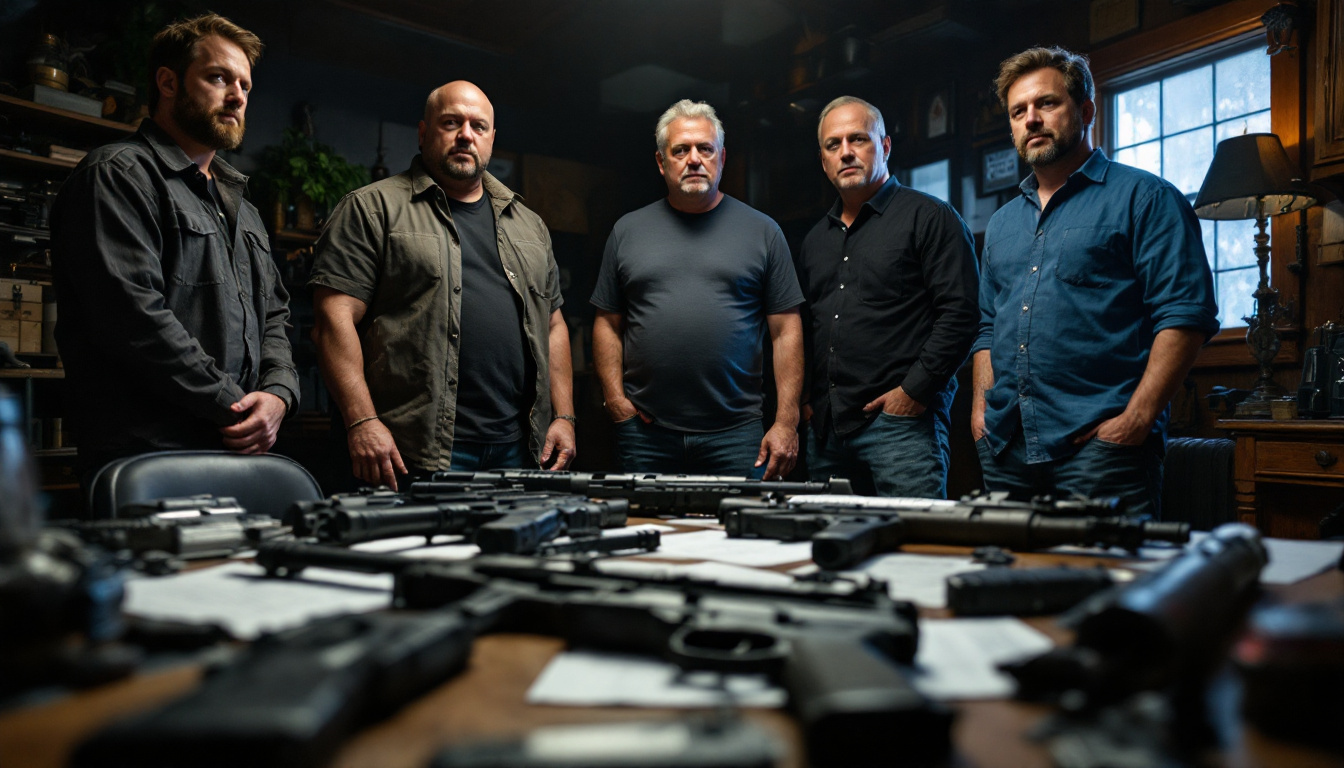
AURORA, IL — The Bureau of Alcohol, Tobacco, Firearms and Explosives dropped a bombshell yesterday, announcing 34 new gun regulations in what Acting Attorney General Todd Blanche called a "new era of reform." Newly confirmed ATF Director Robert Cekada stood beside Blanche at the press conference, outlining sweeping changes that will affect every Federal Firearms License holder in Illinois — including dealers like us who are already fighting the state's unconstitutional PICA rifle ban.
As someone who's held an FFL for 30 years and currently serves as the lead plaintiff in Bevis v. City of Naperville, I've seen plenty of regulatory changes come and go. But this announcement represents the most comprehensive overhaul of federal gun regulations in decades, and it's happening while we're still battling Illinois' assault weapons ban in the Seventh Circuit.
What the ATF's 34 new rules actually contain
The ATF published detailed summaries of all 34 rules on their website, covering everything from manufacturing standards to dealer recordkeeping requirements. Some rules appear designed to streamline processes that have burdened legitimate businesses for years. Others expand definitions and compliance requirements in ways that will require careful study.
What struck me immediately was the timing. Cekada's confirmation came through just hours before this massive regulatory dump. That's not coincidence — it's coordination. The new administration clearly wants to reshape how federal firearms regulations work, and they're moving fast.
From behind the counter at Law Weapons, I can tell you that regulatory uncertainty is one of the biggest challenges we face as dealers. Customers walk in asking about compliance requirements, manufacturing standards, and what's legal to sell. When the rules change this dramatically, it affects everyone in the supply chain.
How federal changes impact Illinois PICA litigation
Here's what's interesting about the timing: we're still waiting for the Seventh Circuit to rule on Illinois' PICA ban in our case, Bevis v. Naperville. The federal regulatory landscape these new ATF rules create will exist alongside whatever decision comes down from the appeals court.
If the Seventh Circuit strikes down PICA — as it should, based on the Supreme Court's Bruen standard — Illinois gun owners will still need to navigate these new federal requirements. If the court upholds the state ban, these federal rules become even more important because they'll govern what remains legal to manufacture and sell.
The Department of Justice filed an amicus brief supporting our position against PICA, and sent attorney Harmeet Dhillon to argue at the Seventh Circuit. Now that same DOJ is rolling out comprehensive changes to federal gun regulations. The message seems clear: enforce the Constitution as written, but do it through proper regulatory channels.
What Illinois dealers and customers need to know
For Illinois gun owners and the dealers who serve them, these changes mean homework. Every FFL in the state will need to review these 34 new rules and understand how they interact with existing Illinois law — including PICA's current restrictions.
Some of the new federal rules may actually provide clearer guidance on issues that have been murky for years. Others will require updated compliance procedures and potentially new recordkeeping systems. As a dealer who relocated from Naperville to Aurora specifically because of unconstitutional local ordinances, I know firsthand how regulatory complexity can impact business operations.
The key point for my customers: legitimate firearms purchases and ownership remain protected under the Second Amendment, regardless of how many new rules get published. What changes is the administrative framework around those rights.
Where we stand as of May 2026
As I write this on May 4, 2026, we're operating under three separate legal frameworks simultaneously. Illinois' PICA ban remains in effect pending the Seventh Circuit's decision in our case. Local ordinances like Naperville's rifle ban continue to be enforced in some municipalities. And now these 34 new federal rules will start taking effect according to their individual implementation schedules.
This is exactly why cases like Bevis v. Naperville matter so much. When governments at every level pile regulation upon regulation onto constitutional rights, the practical effect is to make those rights meaningless for ordinary citizens. A firearm that can't function as designed isn't a meaningful right — and neither is the right to keep and bear arms buried under layers of contradictory rules.
We keep watching. We keep fighting. And we keep serving the people who refuse to be treated like second-class citizens for exercising a constitutional right.
— Robert Bevis, Law Weapons & Supply
Comments
Leave a Comment
Your email won't be published. Comments are reviewed before posting.
Questions or Thoughts on This Article?
Have a question or want to share your thoughts? Send us a message below. We read every submission and will respond by email if needed.