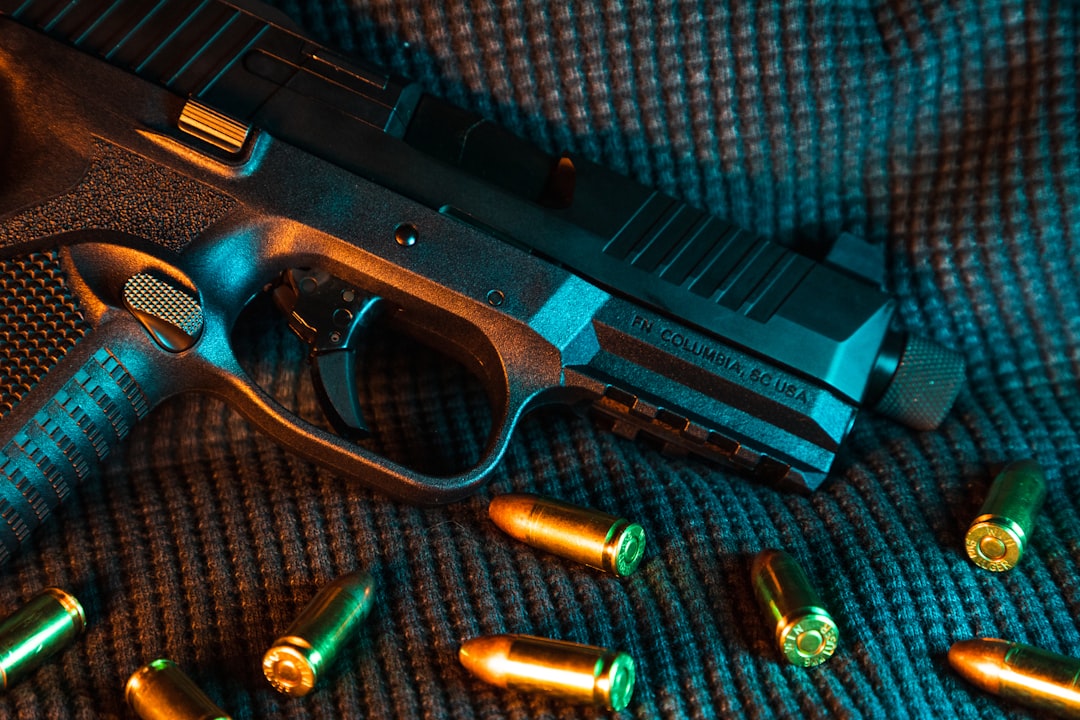
Unarmed Attacker, Deadly Force — Illinois Law Explained
 Have something to say? Leave the first comment
One of the most misunderstood questions in Illinois self-defense law is also one of the most urgent: can you legally draw your firearm — and use it — against someone who isn't carrying a weapon? No gun, no knife, just fists and feet?
The short answer is yes. Under the right circumstances, an unarmed attacker can absolutely justify deadly force in Illinois. But the legal standard is specific, and getting it wrong has consequences that don't end when the threat does.
Attorney Tom Grieve recently walked through exactly this scenario, and it's worth breaking down for Illinois gun owners who carry — because the moment you need this knowledge is the moment you won't have time to look it up.
What Illinois Law Actually Says About Deadly Force
Illinois defines justifiable deadly force under 720 ILCS 5/7-1. The statute does not require the attacker to be armed with a weapon. What it requires is that you reasonably believe deadly force is necessary to prevent imminent death or great bodily harm to yourself or another person.
That word — necessary — does a lot of work. Courts and juries look at what a reasonable person in your exact position, with your exact information, would have believed in that moment. Not what you knew afterward. Not what a detective pieced together from the scene. What you reasonably perceived while it was happening.
Fists and feet are capable of killing. Courts have said so. Medical examiners have said so. The law recognizes it.
Death-by-beating is not rare. It happens in parking lots, on sidewalks, and in convenience stores every year. A single punch to the head can cause fatal brain trauma. Being knocked to the ground and stomped puts your skull inches from concrete. The law is not blind to this reality.
The Factors That Shape Whether Your Use of Force Was Reasonable
No two situations are identical, and that's exactly why this area of law requires judgment — not just a checklist. Illinois courts will weigh a combination of factors when evaluating whether deadly force against an unarmed person was legally justified:
- Size and strength disparity. A 250-pound attacker against a 130-pound defender changes the calculus. So does age, physical condition, or disability.
- Number of attackers. One armed person against three unarmed people is a different situation than a one-on-one confrontation.
- Prior knowledge of the attacker's violence. If you knew this person had a history of brutal assaults, that knowledge can be relevant.
- The nature and ferocity of the attack. A shove is different from a closed-fist beating. Stomping on someone already on the ground is different from a single punch.
- Whether retreat was a realistic option. Illinois does not impose a blanket duty to retreat, but whether you could have safely withdrawn is still a factor a prosecutor or jury will examine.
The honest truth is that none of these factors is automatically decisive by itself. They combine. And a prosecutor's job — if it comes to that — is to argue they don't add up. Your job, in the moment, is to make a sound decision. Your attorney's job afterward is to explain why it was reasonable.
Why "He Didn't Have a Gun" Won't End the Conversation
Here's where Illinois gun owners sometimes trip themselves up: they assume that because they were legally armed and the attacker wasn't, the situation automatically resolves in their favor. It doesn't work that way.
A claim of self-defense in Illinois involves what's called an affirmative defense — meaning you're admitting the act and arguing it was justified. The burden then shifts in a complicated way. Illinois law requires the State to disprove your self-defense claim beyond a reasonable doubt once you've raised it, but getting there involves a credibility battle about what you perceived, when you perceived it, and whether your response was proportional.
That last word — proportional — is where "he didn't have a gun" becomes a significant issue. An unarmed attacker means the State can argue your use of a firearm was disproportionate. You need to be able to articulate why you genuinely believed you faced imminent death or great bodily harm. "I was scared" isn't enough. "He had me pinned on the ground and was slamming my head into the pavement and I could not escape" is a different statement entirely.
This is why what you say immediately after a self-defense incident matters enormously — and why I'd encourage you to read our earlier post on what to do after a defensive shooting in Illinois before you ever need it.
The Carry Responsibility That Comes With the License
Every Illinois Concealed Carry License holder goes through training that touches on use-of-force law. But training hours are short, and the legal nuances are deep. Most people leave that class knowing the basics — and that's genuinely not enough if you ever face a situation where an unarmed person is coming at you hard.
I've had this conversation in the shop more times than I can count. A customer picks up a carry pistol, we talk through the mechanics, and somewhere in the conversation it comes out that they've never really thought through the scenario where the threat isn't holding anything. They assume that scenario is simpler. It isn't. In some ways it's harder to defend legally, because the optics are more complicated even when the law is on your side.
Owning the right firearm for your situation is part of it — and we carry options at Law Weapons' online store across a range of carry platforms. But the hardware is only as useful as the decision-making behind it. That means understanding Illinois law well enough to act correctly under pressure and explain it clearly afterward.
Where to Go From Here
If you carry in Illinois — or if you keep a firearm at home for defense — spend real time with Illinois' use-of-force statutes. Attorney Tom Grieve's breakdown of the unarmed attacker question is a solid starting point, and his full analysis is worth watching. For Illinois-specific legal guidance, consult a licensed Illinois attorney who handles self-defense cases. The law varies from state to state, and Wisconsin-focused commentary, while useful directionally, doesn't substitute for advice grounded in Illinois statute and case law.
Your firearm is a tool of last resort. Knowing exactly when Illinois law permits you to use it — against armed and unarmed threats — is as important as knowing how to operate it safely. Probably more so.
Check our blog archive for more on Illinois self-defense law and the ongoing PICA litigation that affects every gun owner in this state. There's a lot happening, and staying informed is its own form of preparation.
We owe our customers the truth and the fight. Both continue.
— Robert Bevis, Law Weapons & Supply
Comments
Leave a Comment
Your email won't be published. Comments are reviewed before posting.
Questions or Thoughts on This Article?
Have a question or want to share your thoughts? Send us a message below. We read every submission and will respond by email if needed.