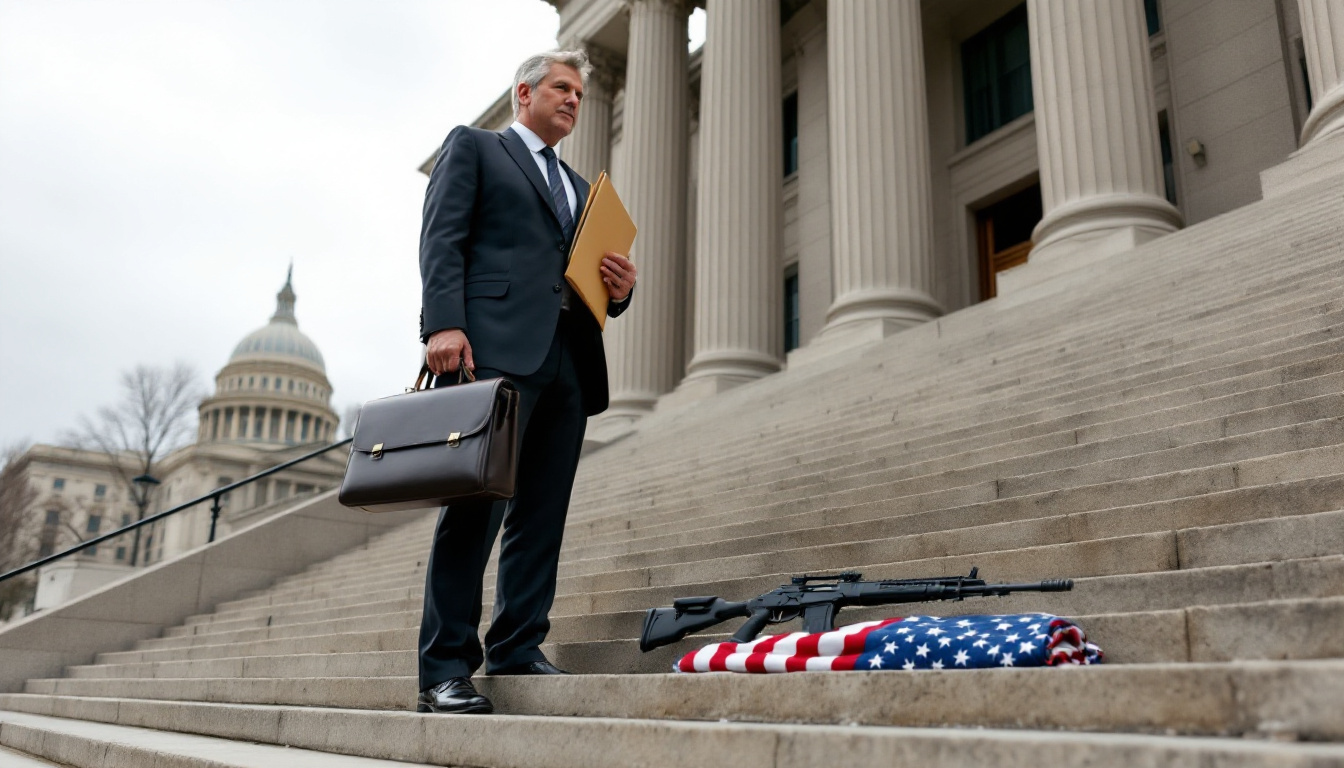
New Jersey targets Glock buyers — Illinois registry fears grow
 8 comments — join the discussion
New Jersey's attorney general just issued statewide subpoenas demanding that firearms dealers turn over 10 years of customer purchase records for Glock pistols, and Illinois gun owners should be paying attention. This isn't just about New Jersey — it's a preview of how anti-gun states plan to use civil litigation as a backdoor to building the firearms registries they've always denied wanting.
The New Jersey subpoena dragnet
According to reports from the NRA-ILA and The Federalist, New Jersey Attorney General Matthew Platkin sent subpoenas to federally licensed firearms dealers across the state, demanding customer information tied to Glock purchases dating back a decade. The stated justification is the state's ongoing lawsuit against Glock, claiming the company markets pistols that are "too easy" to convert into machine guns.
But here's what makes this dangerous: the subpoenas aren't limited to specific models or time frames tied to the lawsuit's claims. They're fishing expeditions designed to vacuum up customer data on a massive scale. Every person who lawfully purchased a Glock pistol in New Jersey over the past 10 years now has their name, address, and purchase details in the state's hands.
Why Illinois gun owners should be concerned
Illinois already operates one of the nation's most intrusive firearms registration schemes through the FOID card system and PICA's affidavit requirements. But New Jersey's approach shows how states can bypass legislative processes entirely, using civil lawsuits against manufacturers as pretexts for data collection that would never pass constitutional scrutiny if attempted directly.
The parallels are obvious. Illinois sued firearms manufacturers under similar "public nuisance" theories before federal law provided protections. The state continues to push for expanded registration requirements under PICA. And Illinois has shown zero hesitation to demand customer records from dealers like Law Weapons when it suits their enforcement agenda.
"This is exactly how registration always starts — not with honest legislation that voters can reject, but through regulatory backdoors and legal pretexts that bypass democratic oversight entirely."
The lawsuit pretext unraveling
New Jersey claims these records are necessary for its case against Glock, but that justification doesn't hold water. If the lawsuit is about specific design features that allegedly make pistols easy to convert, why does the state need purchase records going back a decade? Why does it need customer names and addresses at all?
The answer is simple: building a registry. New Jersey politicians have consistently denied any intention to create firearms registries, just as Illinois politicians did before implementing FOID cards and PICA affidavits. But when the opportunity arises to collect that data under a different pretext, they take it.
Broader implications for constitutional rights
This strategy threatens every gun owner in every state. If attorneys general can use civil litigation against manufacturers as fishing expeditions for customer data, no firearms purchase is truly private. The records exist — they're maintained by FFLs under federal law. The question is whether states can manufacture legal pretexts to access them in bulk.
Federal courts have been inconsistent on these issues. Some have recognized that firearms registries create constitutional problems by chilling the exercise of Second Amendment rights. Others have allowed states broad discovery powers in civil litigation, even when those powers are obviously being misused.
For Illinois gun owners already dealing with FOID requirements and PICA's registration scheme, New Jersey's approach represents the next escalation: using the courts to do what legislatures can't or won't do directly.
We didn't relocate Law Weapons from Naperville to Aurora just to watch other states perfect the techniques Illinois pioneered. These registration schemes — whether legislative or judicial — all serve the same ultimate purpose: making lawful firearms ownership so burdensome and so monitored that people give up rather than comply.
More to come. There always is.
— Robert Bevis, Law Weapons & Supply
Comments
Leave a Comment
Your email won't be published. Comments are reviewed before posting.
Questions or Thoughts on This Article?
Have a question or want to share your thoughts? Send us a message below. We read every submission and will respond by email if needed.