ATF Frame and Receiver Rule Struck Down — Illinois Impact
 Have something to say? Leave the first comment
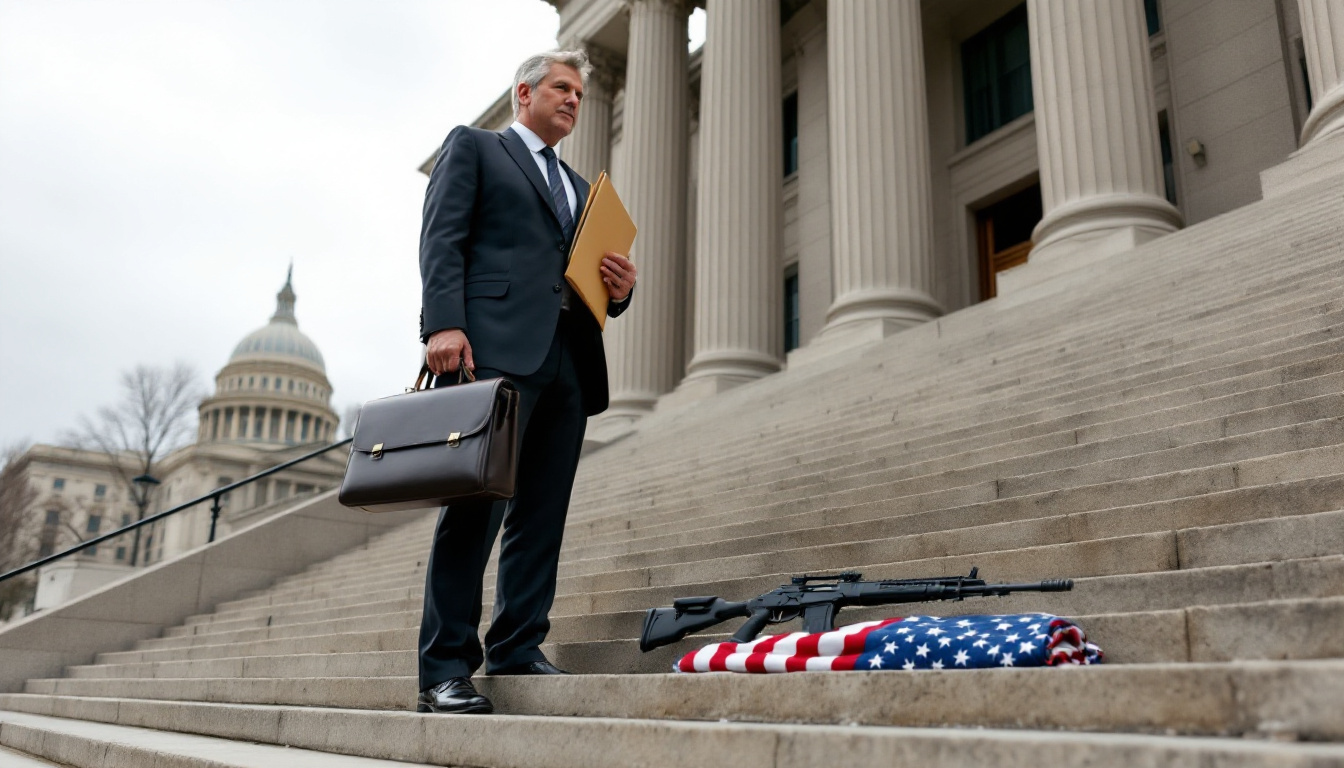
A federal district court has thrown out the ATF's Frame and Receiver Rule — not once, but on two separate independent grounds — in Defense Distributed, et al. v. Blanche. If you followed the Supreme Court's 2024 decision in Garland v. VanDerStok and assumed that case settled the matter, it didn't. The court here went further, and the ruling has real implications for how federal agencies write gun regulations — including the kind of regulatory overreach Illinois gun owners have been dealing with under PICA.
What the ATF's Frame and Receiver Rule Actually Did
The Rule, formally titled Definition of "Frame or Receiver" and Identification of Firearms, expanded the ATF's interpretation of what counts as a "firearm" under federal law. The agency stretched the statutory definition to cover unfinished frames, receiver blanks, and parts kits — things that, under the plain text of the Gun Control Act, are not firearms.
The practical effect was sweeping. Sellers of so-called "80% lowers" — unfinished aluminum or polymer blocks that require additional machining before they can function — suddenly found themselves regulated as if they were selling complete, serialized guns. Serialization requirements, background check mandates, and dealer licensing obligations were extended to products Congress never defined as firearms.
The ATF didn't get a new law passed. It just rewrote the definitions. That's the problem the court identified in Defense Distributed.
Why VanDerStok Didn't End This Fight
The Supreme Court's 5-4 decision in Garland v. VanDerStok (2024) upheld the Rule narrowly, finding that certain weapon parts kits and unfinished frames could fall within the statutory definition of "firearm." But that decision didn't bless every application of the Rule. It left open significant questions about the boundaries of the ATF's authority and, critically, whether specific implementations of the Rule survived other legal challenges — including nondelegation arguments and the major questions doctrine.
The district court in Defense Distributed v. Blanche found those remaining grounds persuasive and ruled against the Rule on two separate bases. You can read more about the case background and William Kirk's breakdown at Washington Gun Law's video discussion.
The takeaway: VanDerStok was not the last word. Courts are still working through whether the ATF acted within the authority Congress actually gave it — and right now, a district court just said it didn't.
The Pattern Courts Are Recognizing — and Why It Matters for PICA
What's happening with the Frame and Receiver Rule is part of a broader judicial reckoning with administrative overreach on firearms. Courts across the country are applying a more skeptical eye to agency regulations that push past the text of the statutes they're supposedly implementing.
That same principle cuts directly at Illinois' Protect Illinois Communities Act. PICA doesn't just restrict — it flat-out bans categories of semiautomatic rifles and standard-capacity magazines that millions of Americans own lawfully. Our case, Bevis v. City of Naperville, has argued from the beginning that this kind of prohibition has no historical analog in American law and no textual support under Bruen. The Seventh Circuit upheld PICA 2-1 in July 2026, but that ruling is now on the path to the Supreme Court — the same Court that just took up the question of whether AR-15-style rifle bans are constitutional.
Every time a court reins in a government body that overstepped its authority — whether that's the ATF rewriting definitions or Illinois banning guns people have owned lawfully for decades — it reinforces the same core argument: the government doesn't get to invent authority it was never given.
What This Means If You Build, Sell, or Own an Unfinished Lower in Illinois
Illinois adds its own layer of complexity here. Even if the federal Frame and Receiver Rule is weakened or vacated, Illinois has its own statutes governing firearms transfers and identification requirements. A federal court ruling doesn't automatically nullify state-level obligations.
If you're in Illinois and you deal in unfinished receivers, parts kits, or so-called ghost gun components, the legal landscape is genuinely unsettled right now. Federal and state obligations may point in different directions, and the law is actively being litigated. If you have questions about what you can legally buy, sell, or build in Illinois under current law, stop by our Aurora shop or reach out directly — I'd rather you get the right answer than guess.
For customers who've also asked about Law Weapons' own manufactured components and compliance with current federal rules, our gunsmithing team stays current on exactly these regulatory changes as they develop.
Where Things Stand as of July 2026
As of this writing, the Defense Distributed v. Blanche district court ruling is fresh. Expect the government to appeal. The circuit that hears that appeal will matter enormously — and the outcome will likely add more fuel to the Supreme Court's docket on the scope of ATF authority.
Meanwhile, Bevis v. City of Naperville continues its climb toward the Supreme Court following the Seventh Circuit's 2-1 PICA ruling last month. The Supreme Court has already agreed to take up the constitutionality of AR-15 bans. You can follow all of that ongoing coverage on the Law Weapons blog.
The government keeps discovering new ways to regulate things it was never given authority to regulate. Courts keep noticing. That's not an accident — that's the system working the way it's supposed to.
The Frame and Receiver Rule fight and the PICA fight are different cases in different courts. But they share the same DNA: a government body claiming power the law never gave it, and citizens going to court to say no. That's what Law Weapons has been doing since day one of this litigation.
Illinois gun owners are watching multiple fronts simultaneously right now. I'll keep tracking every one of them and reporting back here when something shifts.
The fight goes on, and so do we.
— Robert Bevis, Law Weapons & Supply
Comments
Leave a Comment
Your email won't be published. Comments are reviewed before posting.
Questions or Thoughts on This Article?
Have a question or want to share your thoughts? Send us a message below. We read every submission and will respond by email if needed.